Quick answer
Choose ready-to-move when inspection, immediate use, and possession certainty matter most; consider under construction when the verified project, payment timing, specifications, and risk suit your plan. Compare total cash flow, legal status, delay tolerance, rent overlap, taxes, defects, and financing—not just the quoted price.
Ready and under-construction homes solve different problems. A completed unit offers visibility but may cost more upfront or need repairs. An under-construction unit can spread payments and offer newer inventory but requires confidence in documents, delivery, and household capacity to wait. Neither label guarantees quality or value.
This guide turns the choice into a side-by-side decision. The exact tax, finance, and registration treatment can change, so obtain current professional advice and project-specific documents before committing.
Possession and inspection certainty
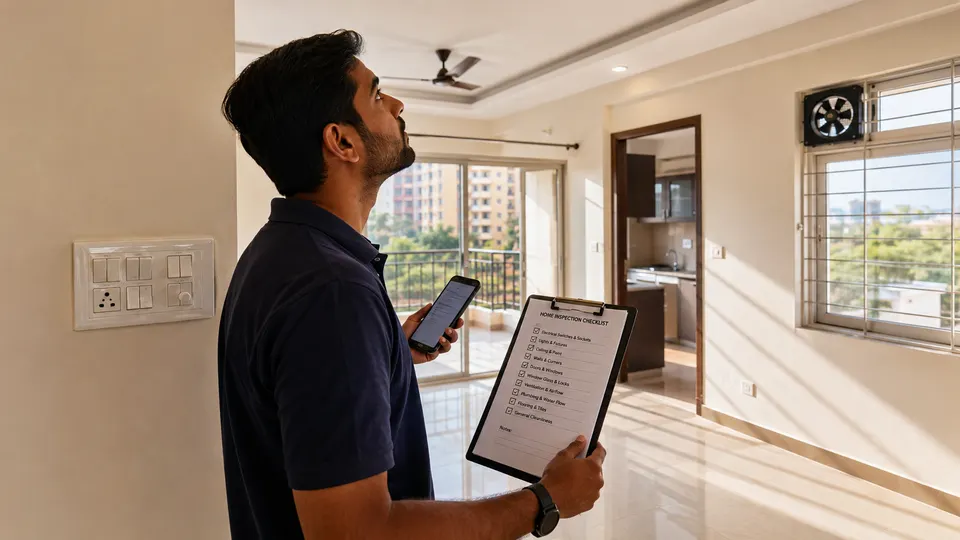
A ready home can be inspected for room dimensions, light, view, noise, water, lifts, common areas, and neighbourhood services. Confirm lawful possession and completion or occupancy records where applicable; “ready” in advertising may mean construction looks complete, not that every approval and service is in place.
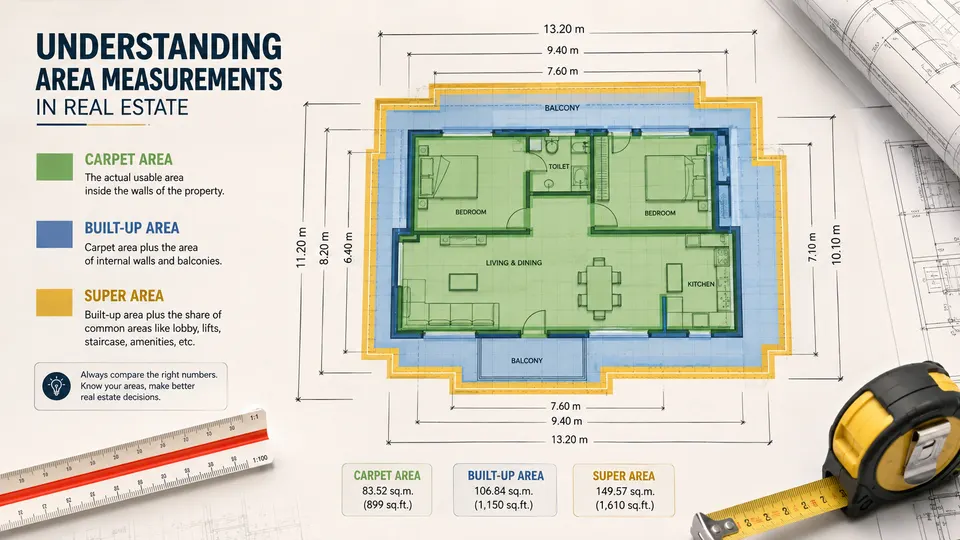
Under construction, buyers rely on plans, specifications, declared timelines, and progress. Sample flats can differ from delivered dimensions and inclusions. Identify the exact phase, tower, and unit and understand what must occur before lawful handover.
Cash flow during the waiting period
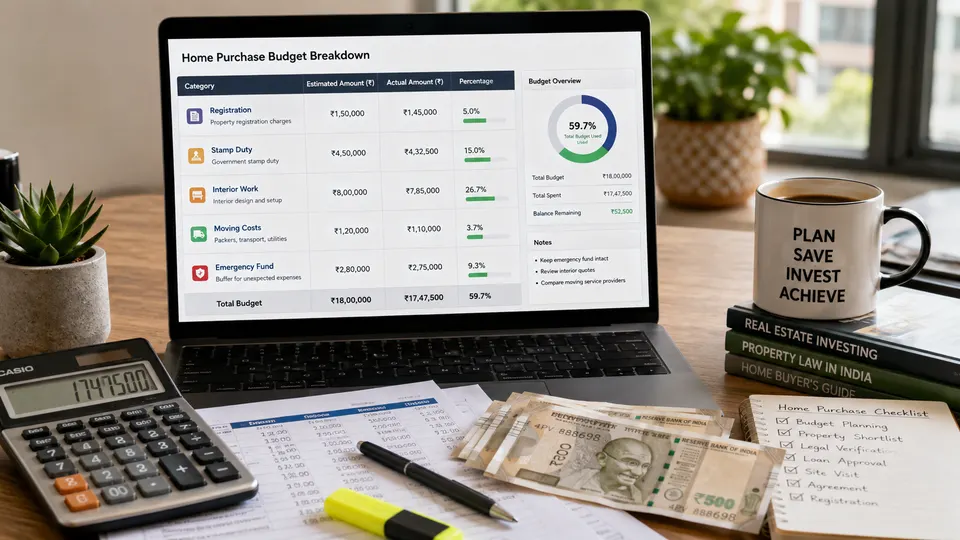
Ready purchases generally require a larger amount over a shorter closing period, followed by full EMI or opportunity cost. They can end rent quickly if possession and interiors align. Include immediate repairs, furnishing, registration, deposits, and moving.
Construction-linked payments may spread cash, but buyers can face rent plus pre-EMI or interest, later milestone demands, and possession charges. Model delay, rate changes, and the part of each demand the lender will not finance.
Legal and delivery risk
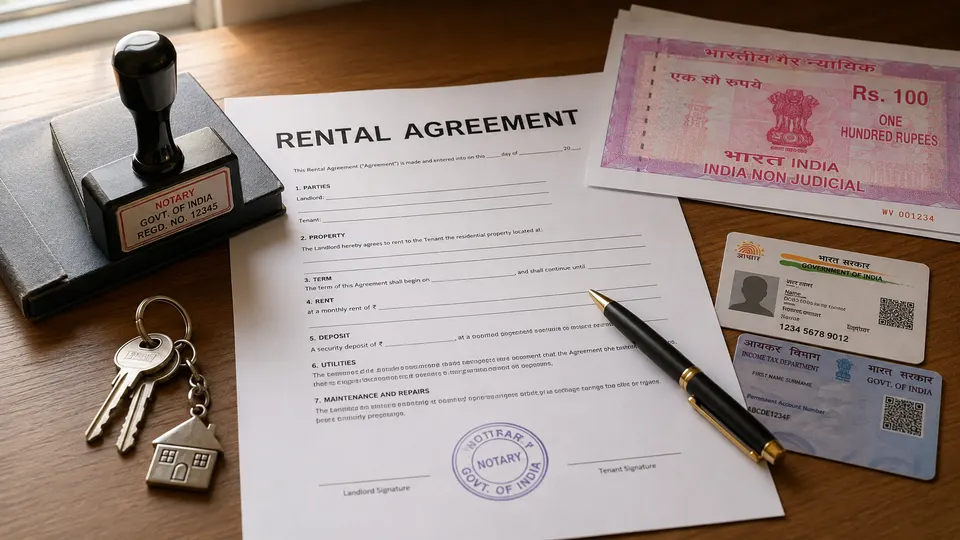
Both choices require title, approval, agreement, property description, mortgage, dues, and seller-authority review. A ready resale adds ownership-chain and alteration checks. A new ready unit may still have unresolved developer or association handover issues.
For under-construction projects covered by RERA, examine the official record, declared completion, phase, updates, and documents. Research promoter delivery history. RERA is valuable but does not eliminate construction, contract, market, or financing risk.
Quality, defects, and customisation
Ready homes reveal many defects and permit a professional inspection before final commitment. They may need renovation, and hidden waterproofing or service problems can remain. Price repairs and review building maintenance history.
Under-construction buyers may receive limited customisation, but changes should be approved and documented. Understand specifications, tolerance, defect reporting, and handover process. Construction quality cannot be fully judged from a model unit.
Market price and negotiation
Ready resale prices can be compared with actual competing units and achieved rent. Seller urgency, condition, tenancy, and loan closure influence negotiation. Complete cost is visible earlier.
Under-construction offers may combine base rate, preferences, parking, club, taxes, and payment-plan incentives. Recalculate every scheme. A lower early price is compensation only if delivery and holding risks are priced honestly.
Match the choice to your life
Ready homes often suit households with a fixed move date, school transition, or low risk tolerance. Under construction may suit buyers with flexible timing, existing housing, adequate reserves, and a verified project whose staged payments fit income.
Investors should compare net rental start date, vacancy, competing supply, and exit. Owner-occupiers should prioritise usable space and daily life. Do not accept more risk simply because a monthly plan looks easier.
A worked household comparison
Imagine a household currently paying rent and needing to move within nine months. The ready home costs more today but can be inspected, financed against an existing asset, and occupied on a known date. The under-construction home offers a lower quoted price and newer amenities, but completion timing, interim rent, possible specification differences, and staged demands add uncertainty. The correct comparison includes all those cash flows, not just the two purchase prices.
Now change the household: it already owns a comfortable home, has a long horizon, and can tolerate delayed possession without rent. The construction option may score better if promoter, phase, approvals, contract, funding, and price compensation are strong. The property did not change; the buyer's capacity to carry its risks did.
Create a downside case for both choices. For ready property, include immediate repair, older services, and resale documentation. For construction, include delayed handover, overlapping rent and EMI, and a lower lender valuation. Choose only if the household can fund the downside without emergency borrowing or abandoning other essential goals.
Ready versus under-construction scorecard
- Required move-in date and cost of waiting.
- Complete payment timeline and financing gap.
- Title, approvals, possession, and exact phase.
- Actual inspection versus plan and specifications.
- Repair or delay contingency.
- Current market comparables and competing supply.
- Household risk tolerance and reserve capacity.
Frequently asked questions
Is ready-to-move always safer?
It reduces completion uncertainty and allows inspection, but title, approval, condition, dues, mortgage, and building-management risks remain.
Is under construction always cheaper?
Not after waiting cost, taxes, preferences, finance, rent overlap, and risk. Compare all-in cash flow to a similar ready home.
What if possession is delayed?
Understand contractual and regulatory remedies before booking, maintain reserves, preserve records, and obtain project-specific legal advice rather than relying on verbal dates.
Official resources to verify
Final takeaway
The right choice is the one whose uncertainty your household can afford. Ready homes exchange more immediate cash for visibility; under construction exchanges some visibility for future delivery and staged payment. Compare both on complete cost, documents, and life timing.