Quick answer
Compare Greater Noida listings by standardising listing type, possession, carpet area, exact location, total cost, maintenance, legal status, and commute. Remove duplicates, score missing information, and visit only the homes that remain comparable after the seller or agent answers a written question list.
Property portals make discovery easy but comparison difficult. One listing quotes super area, another carpet area; one shows the base price, another includes parking; a third uses an old photograph or duplicate broker entry. Without a common framework, the cheapest-looking property attracts attention even when it is not genuinely cheaper.
A good pre-visit process saves weekends and improves negotiation. It does not replace physical inspection or legal review. It simply turns dozens of advertisements into a small set of homes that match the same need and can be examined on equal terms.
Write a one-page requirement before searching
Define listing type, all-in budget, minimum carpet area, possession timing, acceptable commute, bedroom use, parking, accessibility, and non-negotiable services. Separate needs from preferences. “Near metro” is vague; “door-to-office within 60 minutes on a weekday morning” is testable.
Add rejection rules. For example, unclear title, possession outside your window, unusable room dimensions, or EMI beyond your safety limit should remove a listing even if the photographs are attractive. Written criteria prevent the search from expanding each time a salesperson presents a new feature.
Create comparable columns
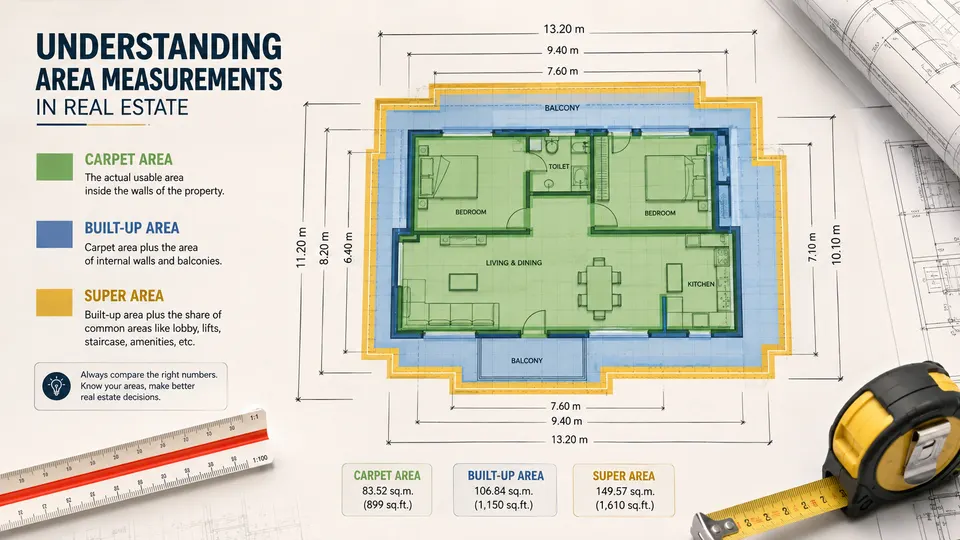
Build a table with project, phase, tower, unit, floor, possession status, carpet area, balconies, parking, age, furnishing, price, compulsory charges, maintenance, property tax, brokerage, and source contact. Keep carpet and other area measures in separate columns. Never divide price by an area until you know what that area represents.
Include exact locality, approach road, distance and realistic travel time to regular destinations. Add a field for source link and last verification date because advertisements become stale. Where the same unit appears through multiple brokers, retain one row and record the different quoted terms rather than treating it as extra supply.
Turn the asking price into an all-in estimate
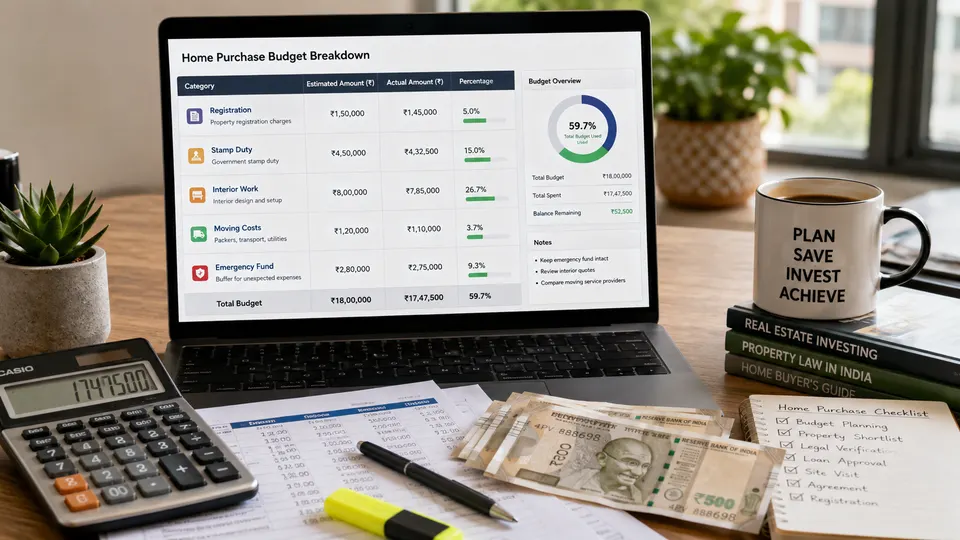
Ask for a line-by-line cost sheet. Include duties, registration, brokerage, parking, transfer charges, maintenance deposits, club or backup charges, loan costs, repairs, and immediate interiors. For under-construction property, identify taxes and payments tied to milestones. For resale, ask about outstanding dues and included fixtures.
Use a range where information is uncertain and mark the confidence level. A listing with missing costs should not outrank a transparent one merely because its headline is lower. Compare the estimated total amount and the cash required by date, since two similarly priced homes may create very different short-term funding pressure.
Verify media and listing freshness
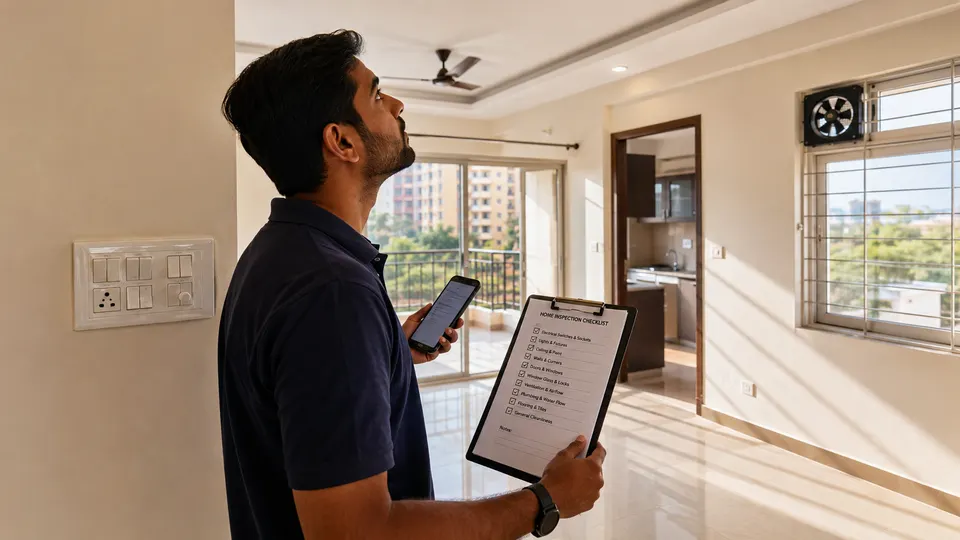
Use image search or visual clues to detect reused photographs. Ask for a current, continuous video showing the building approach, unit entrance, view, rooms, meters, and condition. Confirm that the images belong to the actual unit rather than a sample flat. Request the date and whether the home is occupied.
Call or message with a consistent script: availability, ownership, asking price, negotiation, possession, exact area, floor, parking, maintenance, dues, loan status, and visit access. Record answers. If basic facts change between conversations or the contact refuses to identify the unit, lower the listing’s priority.
Check project and location before scheduling
For projects covered by RERA, use the official UP RERA portal to compare registration, promoter, phase, declared dates, and available documents. Review maps and authority information for access and surrounding land use. This early check can expose a phase mismatch or location description that marketing language hides.
Use map tools to plan a route, but test commute later in person. Scan nearby construction, drainage channels, high-tension infrastructure, industrial uses, schools, hospitals, and markets. A property may fit the flat-level criteria but fail because the last kilometre is unsafe or impractical for the household.
Score uncertainty, not just features
A simple score can rank budget fit, usable space, commute, possession, condition, recurring cost, and document readiness. Add a separate uncertainty score for unverified price, missing plan, unclear parking, unavailable documents, or inconsistent claims. A high-feature, high-uncertainty listing should not automatically reach the first visit.
Choose a varied shortlist rather than ten near-identical homes. Include the best value option, the best location option, and one benchmark that stretches a preference but not financial safety. Visiting these first teaches you how the online information translates into real space and can refine later comparisons.
Questions to answer before a site visit
- Is the exact unit currently available and who is authorised to show it?
- What are the carpet area, plan, floor, view, parking, and possession status?
- What is the complete price with every compulsory charge?
- What maintenance, tax, and utility costs recur?
- Are current unit photos or an unedited walkthrough available?
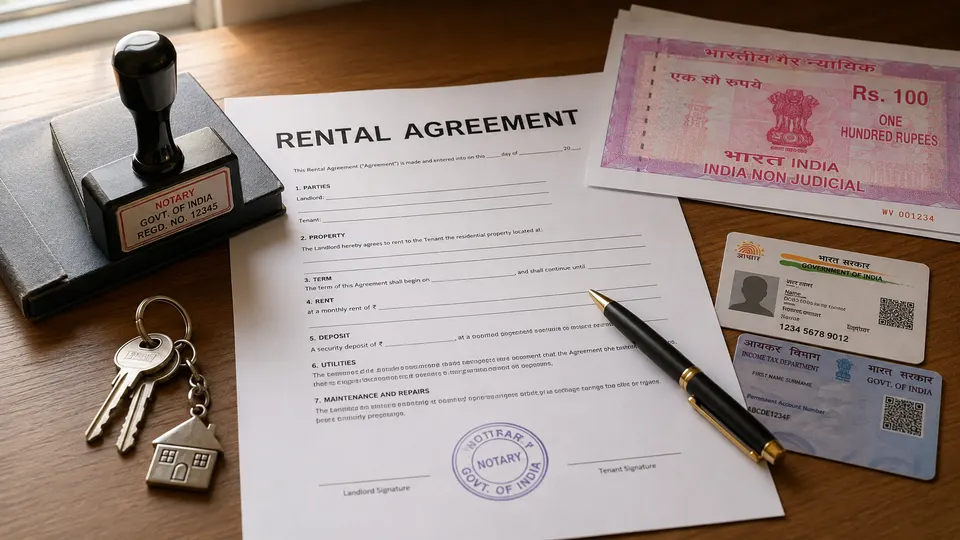
- Can essential title and project documents be shared for review?
- Does the peak-hour route fit the written commute limit?
Frequently asked questions
How many listings should I shortlist?
There is no fixed number, but a first round of three to six genuinely different, verified options is easier to learn from than dozens of loosely matched visits. Update the shortlist after observing real layouts and locations.
Can price per square foot identify the best deal?
Only after area definitions, compulsory costs, location, condition, parking, possession, and legal status are standardised. A low ratio can reflect a larger super-area loading or a costly defect.
Should I trust portal verification badges?
Treat platform badges as one signal, not complete due diligence. Reconfirm availability and facts with the source, then independently verify ownership, project records, documents, and condition.
Official resources to verify
Final takeaway
The purpose of online comparison is to reduce uncertainty before you travel. Standardise the data, count every cost, verify the source, and rank document gaps alongside features. You will arrive at each visit with better questions and far less chance of being redirected by a headline price.