Quick answer
A first-time apartment buyer in Greater Noida should confirm budget, commute, carpet area, possession, project registration, title and approvals, construction condition, maintenance, loan terms, agreement, registration, and handover in a fixed sequence. Do not let a booking deadline move money ahead of verification.
First-time buyers usually research bedrooms, amenities, and EMI before they learn the transaction sequence. That creates avoidable pressure: a token is paid, documents arrive late, and the buyer feels committed before professional review begins. A checklist restores control by making each payment follow a completed decision.
Greater Noida includes established sectors and developing corridors, ready and under-construction towers, and both developer and resale opportunities. Use this checklist as a workflow, then adapt it with your lawyer, lender, and technical adviser to the exact property.
Stage 1: financial readiness
Calculate stable take-home income, essential expenses, existing debt, insurance, future family costs, and savings. Choose an EMI that leaves room for retirement and emergency saving. Keep a household emergency reserve after the down payment and a separate transaction contingency.
Estimate the complete purchase: property, statutory charges, brokerage, loan fees, parking, deposits, maintenance, interiors, repairs, and moving. Prepare a dated cash-flow schedule and obtain a loan pre-approval only as an initial affordability signal, not a final sanction or title guarantee.
Stage 2: location and shortlist
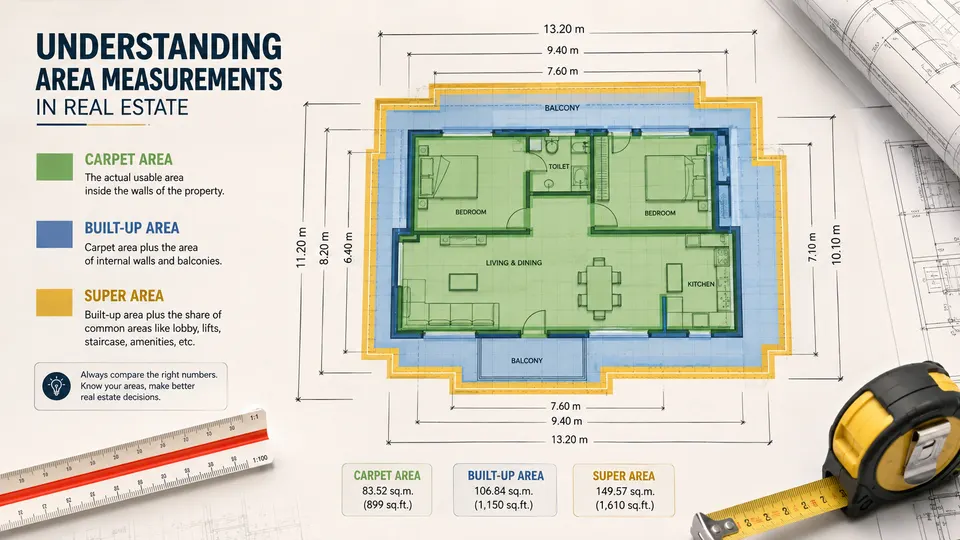
Define peak-hour commute, school and healthcare access, possession deadline, minimum carpet area, parking, accessibility, and essential services. Visit localities on weekdays and after dark. Check the last mile, drainage, lighting, transport, construction activity, and what is operating now.
Compare listings on carpet area and all-in cost. Remove duplicate advertisements and ask for the exact unit, current video, floor, view, possession, maintenance, and complete charges. Shortlist a few genuinely different options rather than visiting every project within a large radius.
Stage 3: project and legal verification
For applicable projects, find the official UP RERA record and exact phase. Compare promoter, declared timeline, plans, and available updates. Ask for core documents before a large booking payment and use an independent property lawyer to verify title, approvals, agreement, mortgage, dues, and seller authority.
For resale, trace the ownership chain and investigate encumbrance, succession, alterations, society records, tax, and utilities. For under construction, understand payment milestones, possession terms, specifications, and refund or delay provisions. Bank processing does not replace your independent review.
Stage 4: physical and service inspection
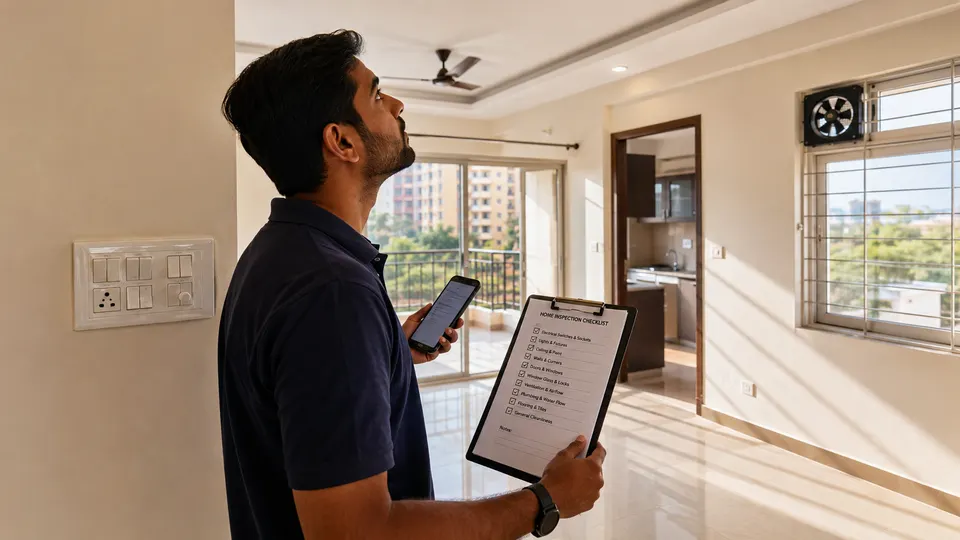
Inspect the actual unit where possible. Measure rooms, test daylight and ventilation, look for seepage, and review plumbing, wiring, windows, doors, balcony safety, and view. In common areas, check lifts, stairs, fire systems, basement, water, backup, drainage, waste, and security.
Ask residents about maintenance response and seasonal problems. For an unfinished unit, compare the sample flat with contractual specifications and sanctioned plan. Use an engineer or inspector when the condition, age, or purchase value makes specialist review worthwhile.
Stage 5: offer, agreement, and loan
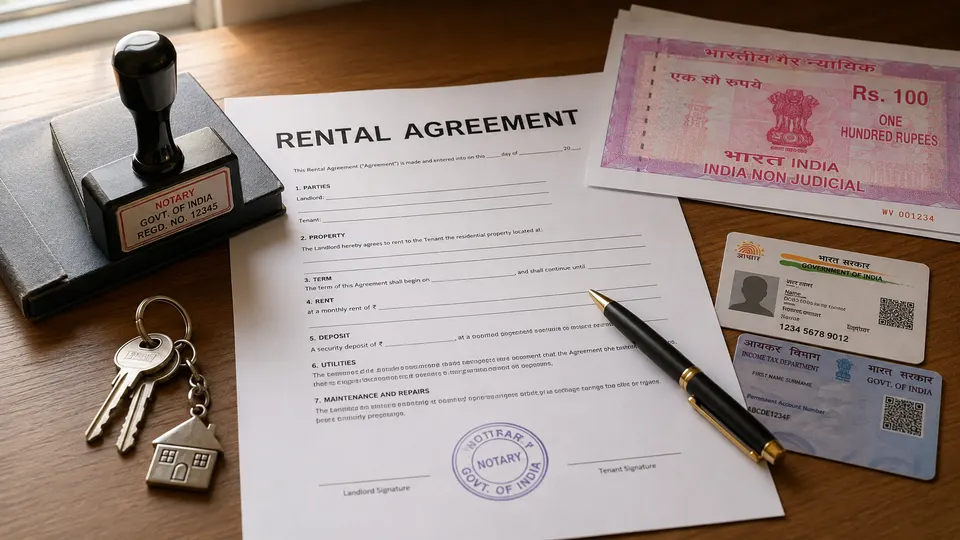
Negotiate with comparable prices, repair estimates, complete charges, and document readiness. Record included fixtures, parking, dues, possession, repairs, and refund conditions. Avoid cash or vague receipts. Every material promise should appear in the agreement or a valid signed annexure.
Compare loan benchmark, spread, reset, tenure, fees, insurance, prepayment, and service. Coordinate disbursement with contractual milestones. Read the final agreement and loan documents; do not sign blank forms or accept that clauses are “standard” without understanding them.
Stage 6: registration and handover
Before registration, verify names, ownership shares, property description, consideration, payment, and required originals in the final deed. Confirm current statutory process through official channels. Keep traceable payment evidence and collect the registered document.
Before possession, perform a snag and inventory inspection, photograph condition, note meters, and collect keys, access cards, warranties, manuals, no-dues evidence, and promised documents. Transfer utilities and insurance as needed. Index and back up the complete file rather than scattering records across messages.
Turn the checklist into a household decision
Before the final visit, ask every decision-maker to score the same shortlist independently. Use five headings: monthly affordability, daily travel, usable space, legal confidence, and building operations. Discuss large differences rather than averaging them away. One person may be reacting to a beautiful kitchen while another has noticed that the school run is impractical. Both observations matter, but they answer different questions.
Write three non-negotiables and three preferences before meeting a salesperson. A non-negotiable might be a possession deadline, step-free access, or a maximum all-in price. A preference might be a higher floor or a clubhouse. This prevents an attractive extra from displacing a basic need. Finish with a short cooling-off review: confirm the documents still outstanding, the money that would become non-refundable, and the reason this home wins against the next-best option.
The compact first-time buyer checklist
- Safe EMI, all-in budget, cash-flow dates, and reserves.
- Peak-hour location and last-mile checks.
- Carpet area, exact unit, complete price, and possession.
- Official project record and independent title review.
- Actual-unit and common-service inspection.
- Written negotiation, agreement, and suitable loan.
- Final deed check, snag inspection, handover, and document archive.
Frequently asked questions
What should I do before paying a token?
Identify the exact property, receive written terms and refund conditions, inspect essential documents, and understand the all-in cost. Make any token conditional on satisfactory legal, technical, and finance review.
Should I buy ready-to-move or under construction?
Choose based on possession need, current rent, inspection certainty, payment timing, delay tolerance, and legal or construction risk. Compare complete cash flow rather than only price.
Do I need both a lawyer and a home inspector?
They answer different questions. A lawyer reviews rights and documents; a technical professional reviews physical condition and systems. Use each according to the property’s risk and value.
Official resources to verify
Final takeaway
A checklist prevents urgency from controlling a first purchase. Move from financial safety to location, documents, inspection, contract, registration, and handover—and let each completed check unlock the next payment.