Quick answer
Owners should budget for regular society charges and utilities plus annual servicing, insurance, tax, painting, waterproofing, appliance replacement, vacancy or tenant turnover, and occasional major assessments. A monthly reserve based on the property’s age and systems prevents routine repairs from becoming emergency debt.
Purchase price and EMI receive attention because they are visible. Maintenance arrives in smaller bills until a lift assessment, seepage repair, appliance replacement, or vacant month exposes the true cost of ownership. A realistic plan converts irregular expenses into a regular reserve.
This guide separates apartment-level, building-level, and rental-related costs. Actual amounts depend on age, climate, services, society management, and usage, so owners should build from real invoices rather than a universal percentage.
Understand regular society charges
Read the maintenance bill line by line: security, housekeeping, lifts, common electricity, backup, water, landscaping, waste, club, management, and taxes may be combined or separate. Ask how area-based and usage-based charges are calculated.
Review annual budgets, audited accounts where available, collection levels, and sinking or reserve funds. Very low maintenance can indicate deferred work; a higher charge may be reasonable if services and reserves are strong.
Plan apartment-level servicing
Schedule air-conditioner, water purifier, geyser, chimney, pest, plumbing, electrical, and appliance care. Track warranties and service dates. Small preventive work can reduce water damage and sudden replacement.
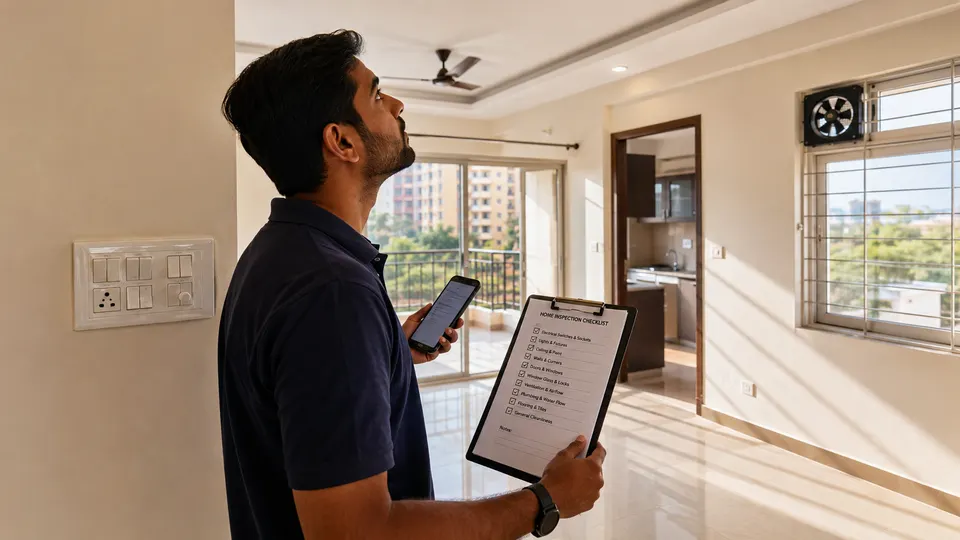
Budget periodic paint, sealant, grout, door hardware, balcony drainage, window seals, and waterproofing. Inspect before monsoon. In a resale home, create an initial condition baseline and prioritise safety-related electrical or plumbing work.
Prepare for major building work
Façade repair, external paint, waterproofing, pumps, tanks, fire systems, generators, lifts, basement drainage, and structural work may require large collective spending. Ask how reserves are funded and how special assessments are approved.
Owners in low-occupancy or poorly collecting societies may face service or cash-flow pressure. Read notices and attend meetings. Buying into a building also means buying a share of its maintenance history and future obligations.
Include tax, insurance, and administration
Track property tax, insurance, lease or authority payments where applicable, document renewal, and professional advice. Confirm coverage for structure, contents, liability, rent loss, and common-area arrangements as relevant rather than assuming the society policy protects the interior.
Store deeds, plans, bills, warranties, photographs, tenant records, and contractor invoices. Good records support claims, resale, tax work, and diagnosis of recurring defects.
Rental homes need an operating reserve
Landlords should budget vacancy, brokerage, cleaning, painting, inventory repair, appliance replacement, legal documentation, and management. Gross rent is not spendable income until these costs and owner-paid maintenance are deducted.
Use a clear lease and entry report, respond to defects quickly, and inspect with proper notice. Deferred maintenance increases tenant turnover and can cause more expensive damage.
Build a simple reserve system
Review the last year of actual bills, list predictable annual work, and estimate longer-cycle replacements. Divide the total by twelve and transfer that amount to a separate property reserve. Add contingency for age or known risks.
Update annually using actual spending and society plans. Do not use the reserve for décor while safety, waterproofing, or major equipment remains unfunded. Keep a separate household emergency fund.
Build a five-year replacement calendar
Start with systems that can cause damage or disruption: waterproofing, plumbing hoses and valves, electrical protection, air-conditioning service, water heaters, pumps, fire equipment, lifts, and backup power. Record installation age, last service, expected inspection interval, responsible party, and an approximate replacement window. Use manufacturer and qualified technician guidance rather than a universal lifespan copied from the internet.
Next, separate private-unit work from common-area work. A homeowner can service appliances and seal wet areas, but lift modernisation, façade repairs, tanks, basement drainage, and fire systems require society planning and reserve funding. Read meeting minutes and budgets for deferred work. A low monthly charge can hide a future special assessment if reserves and preventive maintenance are inadequate.
Review the calendar before monsoon and before extreme summer use. Combine compatible jobs to reduce disruption, keep warranties and invoices, and update the plan after every inspection. Reserve cash monthly for predictable replacements instead of treating every failure as an emergency. This does not eliminate surprises, but it reduces damage, hurried contractor choices, and sudden pressure on household finances.
Annual maintenance planning checklist
- Collect society budgets, bills, reserve information, and planned work.
- Schedule appliance, electrical, plumbing, and waterproofing checks.
- Estimate paint, furnishing, and replacement cycles.
- Review tax, insurance, and authority payments.
- Add vacancy and turnover cost for rentals.
- Create a dedicated monthly property reserve.
- Update the plan from actual invoices each year.
Frequently asked questions
How much should I reserve?
Use the property’s real bills, age, equipment, society plans, and rental use. A custom replacement schedule is more reliable than a universal percentage.
What is a sinking fund?
It is generally a pool intended for future major common work, subject to the society’s governing documents and accounting. Ask how it is collected, held, and used.
Does insurance replace maintenance?
No. Policies cover defined events and exclusions, not ordinary wear or neglected repair. Maintenance can also be a condition of coverage.
Final takeaway
Maintenance becomes manageable when owners treat it as a monthly cost instead of a surprise. Understand the building budget, service the home, fund long-cycle replacements, and preserve records.