Quick answer
Strong property negotiation begins before the offer: establish an all-in ceiling, collect genuine comparables, identify repair and document risks, understand seller motivation, and make a written offer covering price, inclusions, dues, possession, finance, and refund conditions. Be willing to leave when safety limits are exceeded.
Negotiation is not a contest of aggressive statements. It is the process of allocating price, timing, condition, and risk between buyer and seller. Buyers weaken their position when they negotiate only the headline amount after becoming emotionally committed to the home.
Preparation creates calm. With a documented range, clear maximum, finance plan, and alternatives, you can explain an offer and evaluate a counteroffer without improvising. This guide applies to resale and developer transactions, although documents and negotiable terms differ.
Set three numbers before speaking
Define an evidence-based opening offer, a target, and an absolute all-in ceiling. The ceiling includes duties, registration, brokerage, loan fees, repairs, parking, dues, interiors, and moving. Keep it private and do not raise it because the seller asks what the bank approved.
Also define non-price limits: possession date, title quality, refund condition, included fixtures, and repair tolerance. A lower price cannot compensate for a title risk you should not accept.
Build a comparable-sales argument
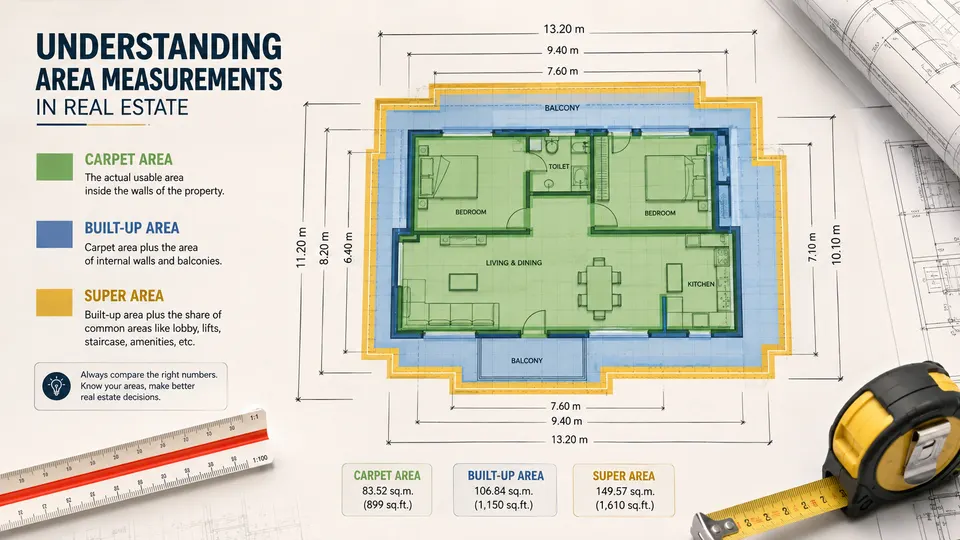
Select recent, similar properties by micro-location, legal type, carpet area, age, floor, parking, condition, possession, and amenities. Remove duplicates and distinguish asking from completed prices. Note how long listings remain and where reductions occur.
Adjust transparently. A renovated unit may deserve more than one needing waterproofing; a clear vacant property may be easier than a tenanted one. Present a short, factual range instead of telling the seller that the home is “overpriced.”
Use inspection and documents constructively
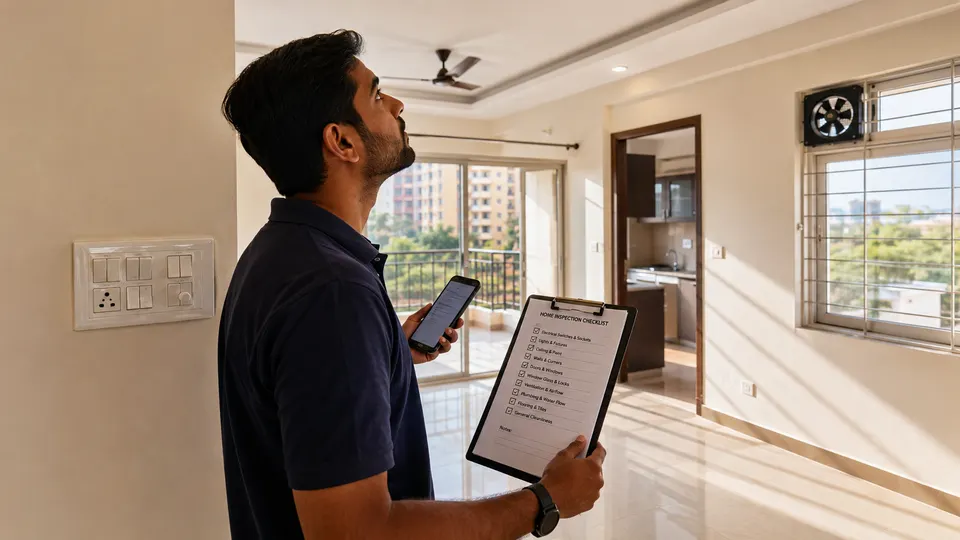
Obtain repair quotations for seepage, electrical work, plumbing, paint, flooring, appliances, or common assessments. Ask the lawyer to identify curable document work, lender closure, dues, or transfer steps. Price the cost and time rather than exaggerating defects.
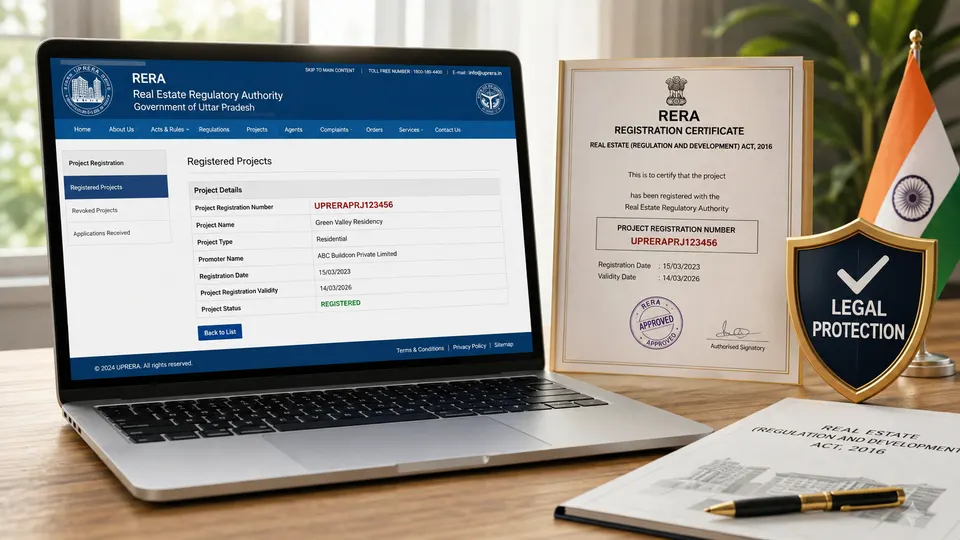
Some issues should stop the transaction, not become a discount. Unclear ownership, serious unauthorised construction, missing access, or an unacceptable agreement may create risk beyond any price reduction.
Understand motivation without invading privacy
Ask about desired registration, possession, loan closure, occupancy, and whether the seller values speed or certainty. A buyer with organised finance and flexible timing may offer non-price value. Do not rely on rumours about financial distress.
Developers may negotiate through payment plans, inventory location, parking, upgrades, maintenance, or limited discounts. Recalculate every offer’s complete cost; a “free” item may be offset elsewhere.
Make a complete written offer
Identify the property, price, payment schedule, validity, finance condition, legal and technical due diligence, included fixtures, parking, dues, possession, repairs, and token refund. State that final terms depend on satisfactory documents and agreement.
Use a traceable communication and avoid a substantial payment merely to demonstrate seriousness. A small conditional token may be appropriate in some transactions, but the receipt must explain when it is refundable.
Handle counters and know when to leave
Compare each counter with the target and ceiling, including changed timing or inclusions. Pause rather than negotiating against yourself. Ask which term prevents agreement; sometimes possession flexibility resolves a gap more cheaply than price.
Leave when the all-in ceiling, document standard, or finance safety is breached. The ability to walk away is strongest when you maintain alternative properties and have not spent beyond a carefully conditioned amount.
An example of a disciplined negotiation sequence
Begin by confirming the exact unit, documents, all-in price, possession, included fixtures, and seller's preferred timing. Do not open with a random discount. Explain that your offer reflects two verified comparable homes, a repair estimate, and the certainty you can provide after legal and finance review. Keep the first proposal complete: price, deposit, due-diligence period, financing condition, closing date, possession, inclusions, and treatment of dues.
If the seller rejects the price, ask which term matters most. A seller who needs a faster closing may accept less in exchange for a clear schedule; another may protect headline price but include furniture, repairs, or dues. Trade terms deliberately rather than increasing the price after every pause. Summarise each movement in writing so concessions are not forgotten or counted twice.
Before the final increase, compare the revised deal with the next-best property and your walk-away number. Include duties, brokerage, loan cost, repair, and immediate maintenance—not just the cheque to the seller. If the deal crosses the limit or leaves a major document unresolved, leave politely. The power of a walk-away figure is that it was calculated before the pressure of closing.
Negotiation preparation checklist
- Opening, target, and all-in maximum written privately.
- Comparable listings and transaction evidence cleaned.
- Repair, dues, and document costs estimated.
- Finance and registration timeline confirmed.
- Non-price priorities and deal breakers defined.
- Complete conditional offer prepared in writing.
- Alternative properties kept active.
Frequently asked questions
How much below asking should I offer?
There is no standard percentage. Base the offer on comparable value, condition, complete cost, market time, and terms. Arbitrary low offers can end useful discussion.
Should I reveal my maximum budget?
Usually discuss the property’s value and your offer rather than the lender’s maximum or private ceiling. Be truthful but do not negotiate against yourself.
What if another buyer is interested?
Ask for a clear deadline and decide within your existing limits. Do not waive legal review or raise the ceiling solely because competition is claimed.
Final takeaway
A successful negotiation produces a property and contract you can afford, not merely a discount. Use evidence, price every obligation, write the full offer, and protect the option to walk away.