Quick answer
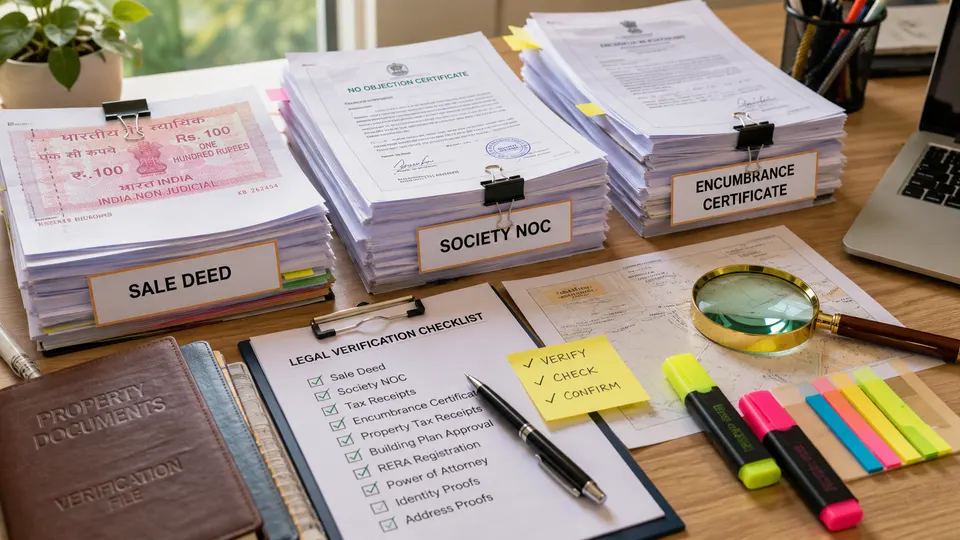
Before buying a plot in Greater Noida, verify seller title and authority, the complete ownership chain, approved land use and layout, plot dimensions and physical possession, legal access, acquisition or dispute risk, authority or developer dues, construction rules, utilities, financing, and registration through independent legal and survey professionals.
A plot appears simple because there is no apartment tower to inspect, but land transactions can contain complex risks. The paper plot may not match the fenced land, an approach road may be informal, the layout may lack approval, or the seller may hold an allotment right rather than transferable ownership. Future construction also depends on planning controls and services.
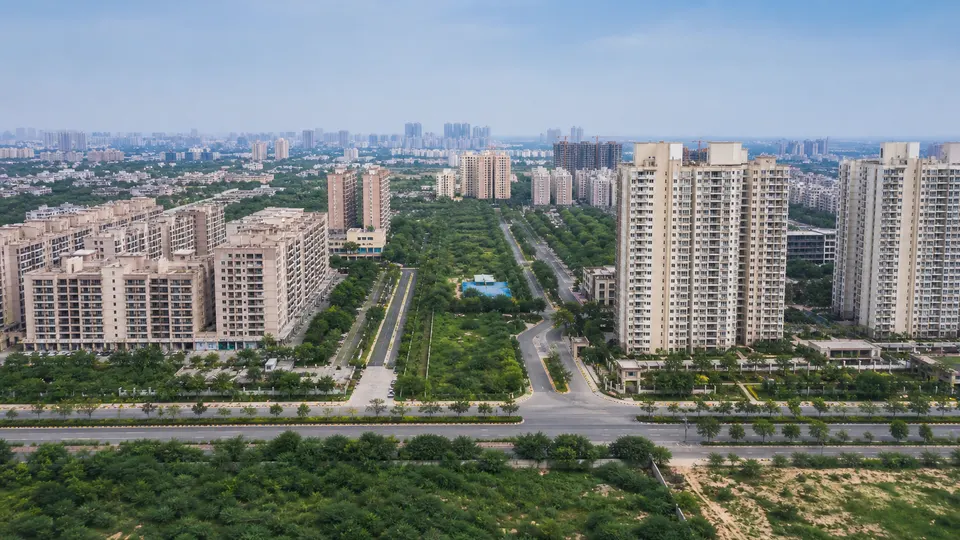
Greater Noida includes authority sectors, private developments, village land, expressway corridors, and different tenure or scheme conditions. The correct questions depend on the specific category. Use this guide to organise due diligence, then ask an independent lawyer and licensed survey professional to verify the exact parcel.
What right is actually being sold?
Ask for the current title or allotment document and trace every prior transfer. Identify whether the interest is freehold, leasehold, allotted, cooperative, inherited, or represented through a power of attorney. Confirm transfer permission, lock-in, unearned increase, ground rent, or other authority conditions.
Verify every seller’s identity, ownership share, and authority. In inheritance, company, trust, partnership, or representative sales, require the relevant succession or organisational documents. A broker’s possession of papers does not establish authority to sell or receive money.
Is residential use and the layout approved?
Check the master or development plan, land-use permission, approved layout, subdivision, plot number, and the competent authority. Do not infer residential permission from neighbouring construction or an electricity connection.
For a private scheme or project covered by RERA, verify the exact registration and promoter. Compare road widths, open spaces, amenities, plot dimensions, and completion commitments with official documents. Marketing maps can differ from sanctioned layouts.
Does the document match the land?
Commission a survey that locates boundaries, dimensions, area, corners, encroachment, level, and access using the title and approved plan. Be present for demarcation and involve adjoining owners or authority staff where the professional process requires it.
Inspect fencing, possession, existing structures, drainage, high-tension lines, pipelines, easements, trees, dumping, and soil or filling. Photograph reference points. Never rely solely on a salesperson pointing from the road at an undeveloped field.
Is access permanent and lawful?
Confirm that the plot connects to a public or legally documented road of the stated width. A track used by local residents may cross private land or face future closure. Review easements and any setback or road-widening effect.
Drive the approach during rain, darkness, and normal traffic. Assess emergency access, construction-material delivery, public transport, and future junctions. A low price can reflect difficult access that also reduces finance and resale demand.
What can you build and at what cost?
Obtain current building controls for coverage, floor-area ratio, height, setbacks, basement, parking, façade, and completion. Ask about map sanction, architect, soil testing, utility connections, labour access, and occupancy or completion requirements.
Estimate boundary, filling, foundation, approvals, utilities, security, finance, tax, and holding costs in addition to construction. Keep contingency for ground condition and price changes. A plot within budget can still produce an unaffordable completed home.
Are there claims, dues, or acquisition risks?
Have the lawyer search mortgages, charges, agreements, litigation, family claims, acquisition notifications, insolvency, and authority action. Review tax, lease rent, instalments, development charges, and transfer dues.
Require a documented lender release where mortgaged. State who bears older demands and how originals and possession are delivered at registration. A discount should not be used to accept an unquantifiable title problem.
Red flags that should stop the transaction
Pause if the seller will not provide originals, the plot shown on site cannot be reconciled with the sanctioned layout, boundaries overlap, access depends on an informal passage, or the person receiving money is not the documented owner or authorised representative. The same applies when a promised land use conflicts with official records or when approvals are described as “in process” without a verifiable application and consequence.
Do not let a refundable-token promise replace investigation. If the seller pressures immediate cash, discourages an independent lawyer or survey, proposes an unrecorded payment, or changes the plot number between documents, walk away until the discrepancy is formally resolved. A lower price does not compensate for uncertain title, unusable access, acquisition risk, or a plot that cannot legally support the intended construction.
Plot due-diligence checklist
- Title, tenure, seller authority, and full transfer chain.
- Approved land use, layout, plot number, and RERA where applicable.
- Independent survey, boundaries, area, possession, and encroachment.
- Permanent legal access and road width.
- Acquisition, litigation, mortgage, tax, and authority dues.
- Building controls, utilities, soil, and complete development cost.
- Final deed, payment, originals, and possession coordinated.
Frequently asked questions
Is a registry enough to prove a plot is safe?
No. Registration records an instrument; it does not by itself prove perfect title, approved residential use, correct boundaries, legal access, or freedom from all claims.
Can I buy a plot shown only by khasra or field location?
Do not proceed without professional title review, approved use and layout checks, and physical survey linking the documents to a clearly demarcated parcel.
Does a bank loan make the plot legally clear?
No. Lender review serves its credit process. Obtain independent legal and survey advice and understand any limitation in the bank’s approval.
Official resources to verify
Final takeaway
A safe plot purchase aligns four things: legal title, approved use, surveyed land, and permanent access. Verify all four before pricing future construction or appreciation. Land that cannot be confidently identified, reached, or lawfully built upon is not made safe by a low rate.
Important: Plot rules and records vary by authority and scheme. Engage an independent property lawyer, surveyor, and planning professional.