Quick answer
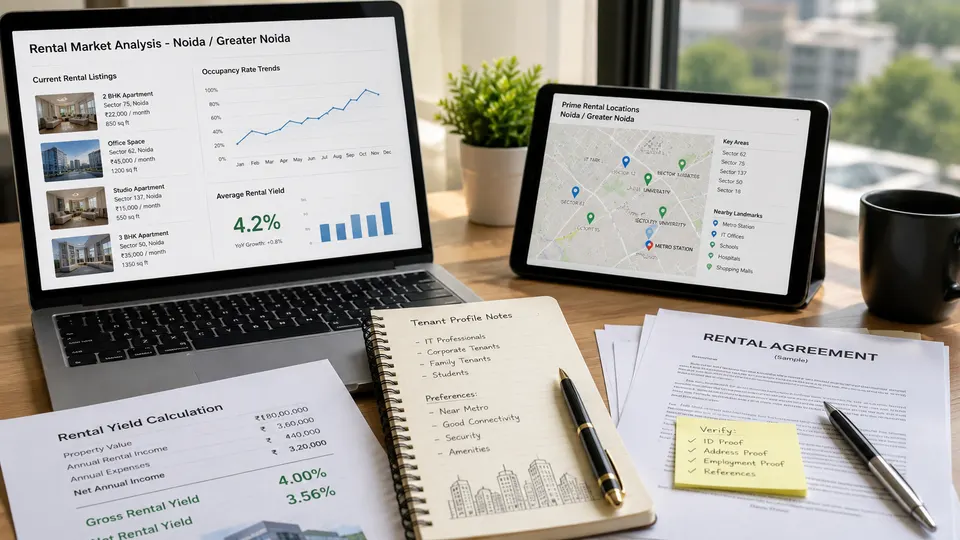
A useful rental agreement clearly identifies parties and premises, term, rent, deposit, escalation, maintenance, utilities, repairs, use, occupants, entry, notice, lock-in, renewal, termination, inventory, handover, dispute process, and applicable registration or stamp requirements. Both sides should review and sign before possession.
A rental relationship works best when ordinary situations are decided before they become disputes. Who repairs the water heater? Can the owner inspect? What happens if the tenant leaves early? Is maintenance included? A clear agreement answers these questions in language both parties understand.
This guide focuses on residential renting in and around Greater Noida. Legal requirements can depend on term, document form, and current state rules, so parties should confirm stamp and registration treatment with a qualified adviser rather than copying an old template.
Identify people and property precisely
Record legal names, verified identity, addresses, contact, and authority. All owners or an authorised representative should sign as required. List adult occupants and emergency contacts while handling personal information responsibly.
Describe tower, unit, floor, parking, storage, furnishings, access cards, meters, and permitted common facilities. Attach an inventory with dated photographs and condition. This protects both sides at move-out.
Write the money terms completely
State monthly rent, due date, payment channel, receipt, deposit, deposit custody, adjustment, refund timing, and lawful deductions. Explain escalation, renewal, late payment, and any rent-free or advance period.
Allocate maintenance, utilities, backup, club, parking, taxes, move-in charges, and brokerage. Meter readings and account treatment should be recorded. Avoid cash without receipts and vague phrases such as “all charges extra.”
Allocate repairs and maintenance
Separate routine consumables and tenant-caused damage from structural, major system, and ownership repairs. Set a reporting process, emergency contact, approval threshold, access arrangement, and reimbursement evidence.
The owner should disclose known defects; the tenant should report problems promptly. Society rules do not replace the lease allocation. Attach appliance details and warranties where furnished.
Define use, access, and conduct
State residential use, subletting, pets, smoking, business activity, alterations, painting, and society compliance. Rules should be lawful and known before signing. Tenants should review move-in restrictions and owner dues that may affect access.
Owner entry should require reasonable notice except genuine emergencies. The tenant has a right to peaceful occupation consistent with law and agreement; the owner needs legitimate inspection and repair access. A defined process balances both.
Plan renewal, notice, and early exit
Specify term, lock-in if used, notice, renewal discussion, escalation, early termination, breach cure, and consequences. Ensure terms are balanced and legally reviewed rather than copied from an unrelated commercial lease.
Describe move-out inspection, cleaning, keys, utility settlement, damage evidence, deposit statement, and refund date. Ordinary wear should not be confused with damage; the entry inventory provides the baseline.
Complete compliance and verification
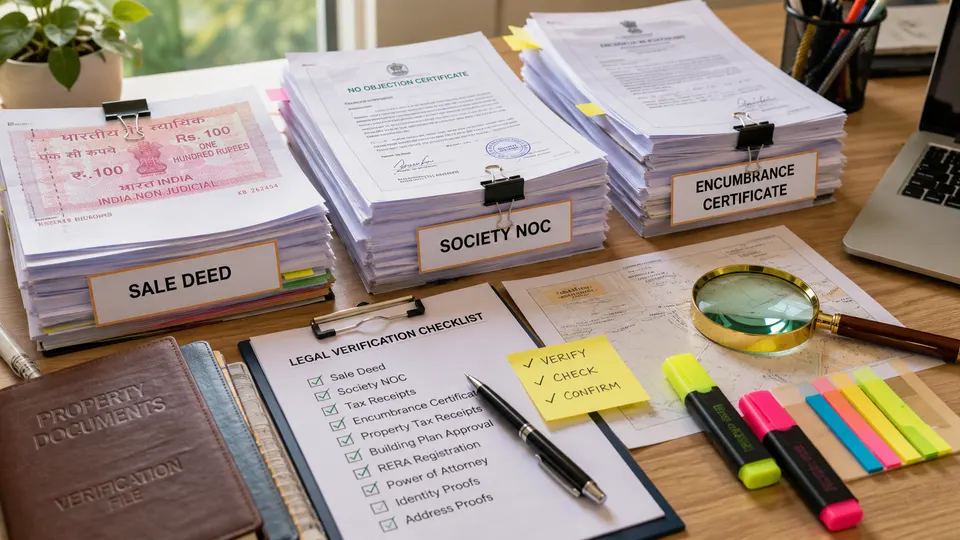
Confirm current stamp, registration, police or tenant verification, society, and tax responsibilities with appropriate professionals and authorities. Requirements can change and may depend on the term and form of occupancy.
Each party should receive the signed agreement and annexures. Preserve payment receipts and repair communication. If a clause is unclear, resolve it before possession rather than assuming a shared interpretation.
Create a move-in and move-out protocol
On move-in day, both parties should sign an inventory with dated photographs of walls, floors, appliances, sanitary fittings, furniture, keys, access cards, and meter readings. Record existing defects and repairs already promised. Transfer deposits and rent through traceable methods, issue receipts, and hand over only after the agreed documents and initial payments are complete.
During the tenancy, keep repair requests and permissions in writing. Distinguish owner obligations, tenant-caused damage, minor upkeep, and emergency access using the agreement. If building rules change, share the official notice rather than relying on messages from neighbours. Maintain a ledger of rent, deductions, and reimbursements that both sides can reconcile.
Before move-out, schedule a preliminary inspection so the tenant has time to correct agreed issues. At final handover, repeat the inventory, readings, keys, and photographs; document deductions with bills or estimates and return the undisputed deposit within the contractual period. A clear protocol protects the relationship better than a vague promise to “adjust everything later.”
Rental agreement checklist
- Verified parties, authority, premises, parking, and occupants.
- Rent, deposit, escalation, charges, and payment evidence.
- Inventory, photographs, meters, and condition report.
- Repair responsibility and emergency process.
- Use, pets, alterations, subletting, and society rules.
- Entry notice, term, lock-in, exit, and deposit refund.
- Current stamp, registration, and verification advice.
Frequently asked questions
Is an online rental template enough?
It can be a starting point, but it may not match the property, term, state requirements, or agreed allocation. Tailor it and obtain legal review where needed.
Who pays maintenance?
The agreement should state this clearly and distinguish regular society maintenance, consumption, owner dues, and special assessments. There is no substitute for written allocation.
How should deposit deductions work?
Use the entry inventory, exit inspection, bills, and written calculation. Define timing and permitted deductions in the agreement and follow applicable law.
Final takeaway
A rental agreement is a shared operating manual for the home. Precise money, repair, access, and exit terms protect both tenant and owner and make routine issues easier to solve without conflict.
Important: Rental, stamp, registration, tax, and verification requirements change. Obtain current local legal advice.