Quick answer
Property registration in Uttar Pradesh generally requires verified title and transaction documents, a correctly drafted deed, current stamp-duty and registration calculations, appointment and identity compliance, execution before the registering authority, and collection and checking of the registered record. Exact steps and rates must be confirmed through current official channels.
Registration records the executed transfer, but it does not cure a defective title or an unauthorised property. Legal due diligence must come first. Buyer and seller should agree the final deed only after names, ownership, property description, consideration, dues, mortgage, and possession terms are reconciled.
Digital services and local procedures can change. This guide explains the workflow and control points rather than quoting a potentially stale rate. Work with a property lawyer and confirm the relevant Uttar Pradesh registration and stamp requirements immediately before execution.
Complete due diligence before drafting
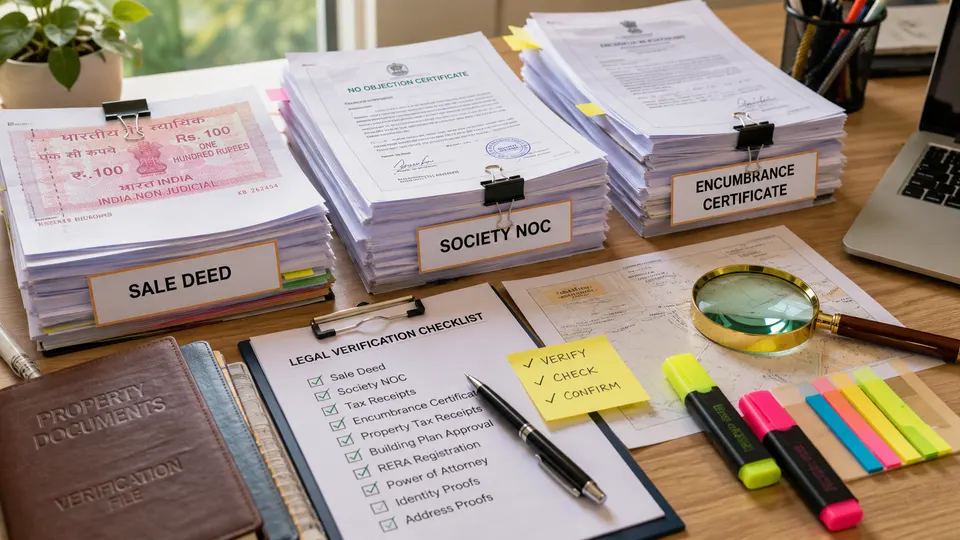
Verify seller identity and authority, title chain, encumbrance, mortgage, litigation, land use, sanctioned plan, completion status where applicable, tax, society, utilities, and possession. Match the physical property with the documents.
Resolve name differences, missing originals, lender release, succession, power of attorney, or outstanding dues before fixing registration. A rushed deed cannot repair unresolved rights after money is paid.
Prepare the deed accurately
The deed should identify parties, ownership shares, property, area, boundaries, title history, consideration, payment, possession, easements, parking or appurtenant rights, representations, indemnity, and document delivery. Use the correct instrument for the transaction.
Compare every identifier with title and authority records. Review the final version in a language the parties understand. Do not sign blank pages or rely on a draft that differs from the version presented for execution.
Confirm valuation and statutory payments
Determine the applicable value basis, stamp duty, registration fee, concessions, and payment method through current official information and professional advice. Property type, location, transaction value, and ownership can affect calculation.
Keep evidence of statutory and purchase payments. Ask about tax deduction or reporting duties that may apply. Avoid informal under-reporting: consideration and payment records should be truthful and consistent.
Organise parties and supporting documents
Prepare identity, tax identity, photographs, title originals, payment evidence, statutory receipts, and required property or authority documents. Confirm witness requirements and lender participation where a mortgage is being created or released.
Check appointment, biometric, photograph, e-stamp, and online submission procedures close to the date. Ensure every required party can attend or is represented through a legally valid authority accepted for the transaction.
Execute and verify at registration
At the office or authorised process, verify the deed once more before admission and signatures. Ensure consideration, property, names, and shares are correct. Complete identification and witness formalities and retain acknowledgement and tracking details.
Do not hand over possession or originals contrary to the agreed closing sequence. Buyer, seller, lender, and lawyer should know who receives each payment and document at each stage.
Complete post-registration work
Obtain and review the registered copy for scanning, indexing, page completeness, endorsements, and property description. Preserve original and encrypted backups. Follow the applicable mutation, authority, society, utility, insurance, and tax-update processes.
Complete possession inventory and no-dues transfer. Registration is a major milestone, but ownership administration continues until records, services, and documents reflect the buyer correctly.
Use a closing-day control sheet
List every participant, original document, payment, tax or duty receipt, bank instrument, photograph, identity record, witness, and appointment detail before registration day. Beside each item, name the person responsible and mark when it has been independently checked. Circulate the final deed draft early enough for names, shares, property description, consideration, payment references, and possession terms to be corrected without rushing.
Create a payment table that reconciles the total consideration with amounts already paid, lender disbursement, deductions where applicable, and balance due. Verify recipient account details through a trusted channel; do not act only on a last-minute message. Coordinate mortgage closure, release documents, and original-document custody in writing when a seller or buyer uses a loan.
After execution, collect the official acknowledgement and track delivery of the registered instrument. Complete possession, keys, meter readings, society or authority transfer, mutation-related steps, and document handover under a signed checklist. Scan an indexed copy and store originals securely. Registration is a central event, but a controlled closing continues until money, title records, possession, and post-registration actions all agree.
UP registration preparation checklist
- Independent title, approval, encumbrance, and dues review.
- Final deed reconciled with all property documents.
- Current valuation, duty, fee, and tax responsibilities confirmed.
- Identity, witnesses, lender, originals, and payments coordinated.
- Appointment and current digital procedure checked.
- Registered copy reviewed and safely archived.
- Mutation, society, utility, insurance, and possession completed.
Frequently asked questions
Does registration prove clear title?
Registration records an executed instrument; it does not guarantee that the seller had perfect title or that the building is authorised. Due diligence remains essential.
Can rates in an old guide be used?
No. Confirm current duty, fee, concession, and valuation rules through official Uttar Pradesh channels immediately before the transaction.
What should I do after registration?
Review and archive the deed, complete possession, update relevant authority or revenue records, society and utilities, and preserve no-dues and payment evidence.
Final takeaway
Property registration is safest when it closes a verified transaction rather than attempting to legitimise an unclear one. Complete due diligence, draft precisely, coordinate money and originals, and finish the post-registration record updates.
Important: Procedures, rates, and documents change and vary by transaction. Use current official guidance and an independent Uttar Pradesh property lawyer.